To understand October 7, we must look back decades. Before 1967, the Gaza Strip was under Egyptian administration, not an independent Palestinian state.
During the Six-Day War, when Israel faced Egypt, Jordan, and Syria, Israel defeated the Arab armies and took control of Gaza. Years later, Israel signed a peace treaty with Egypt and returned the Sinai Peninsula, but Gaza was not returned to Egypt.
It remained under Israeli control, and over the years, strong economic and everyday connections developed between Gaza and Israel.
There was a time when thousands of Gazans crossed into Israel to work, while Israelis crossed into Gaza to shop in its markets. People who lived in the region during the 1980s still remember when neighbors could interact in everyday life.
But that reality changed as Yasser Arafat’s propaganda helped spread Palestinian nationalism and hostility toward Israel. The First Intifada erupted in 1987, followed by the Second Intifada in 2000, and violence increasingly separated the two populations.
In 2001, the first rocket from Gaza struck Sderot. From then on, the city’s residents faced a growing threat, with approximately 13,000 rockets striking Sderot during the first eight years alone.
In 2005, Israel withdrew its troops and settlements from Gaza, creating an opportunity for the Palestinians to establish their own government. Instead, Hamas eventually seized control and turned Gaza into a base for continued attacks against Israel.
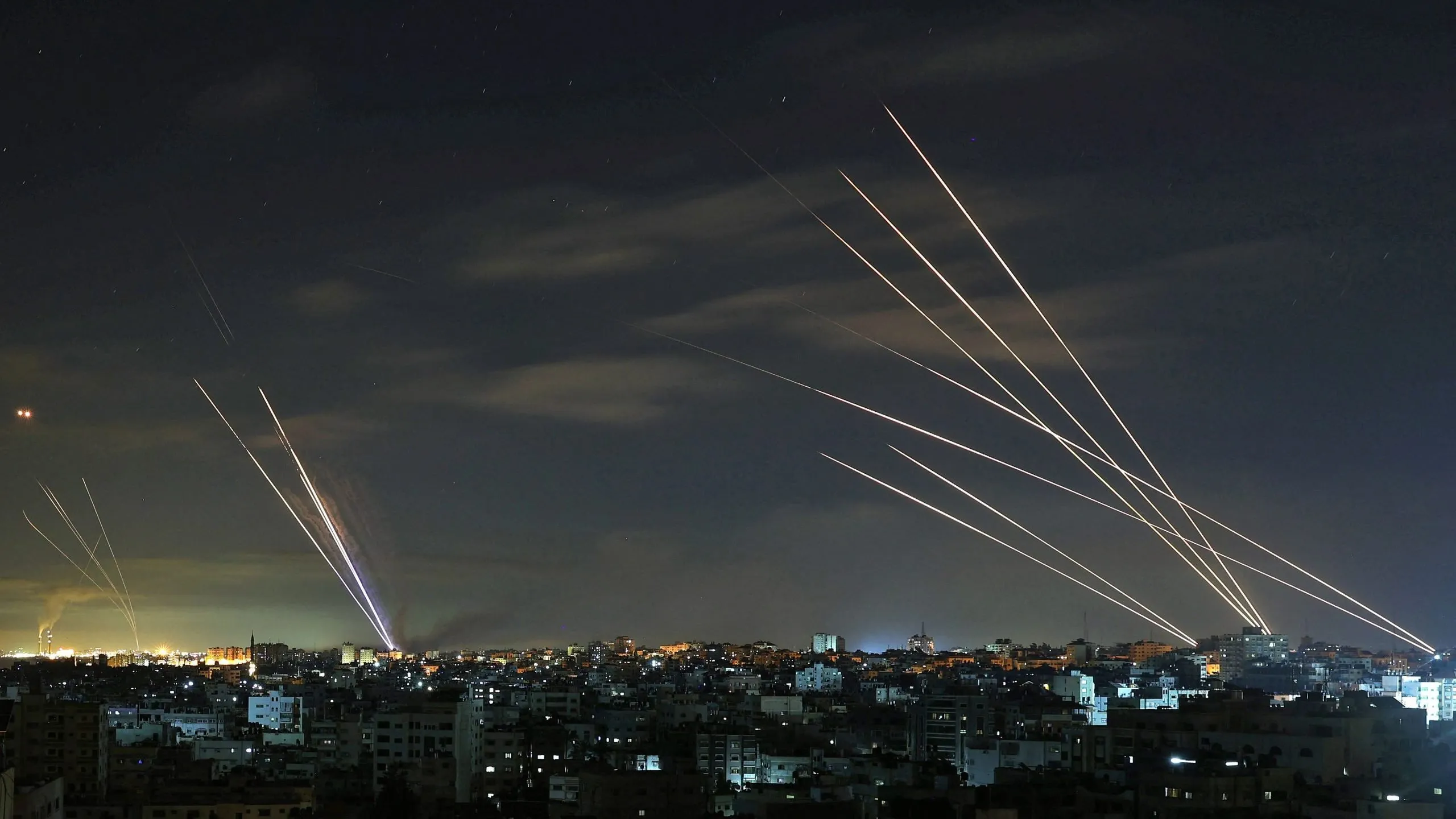
By October 7, Israel and Hamas had already fought four major wars, in 2008, 2012, 2014, and 2021. The massacre came after years of rocket attacks, incitement, and an ideology that glorified violence against Jews.
To understand October 7, we must recognize the history that led to it, and the consequences of teaching generations to embrace hatred and war rather than life and peace.